Posts

Showing posts with the label russia

Five Reasons I Want China Running Its Own Software

Image
Periodically I read about efforts by China, or Russia, or North Korea, or other countries to replace American software with indigenous or semi-indigenous alternatives. I then reply via Twitter that I love the idea, with a short reason why. This post will list the top five reasons why I want China and other likely targets of American foreign intelligence collection to run their own software. 1. Many (most?) non-US software companies write lousy code.  The US is by no means perfect, but our developers and processes generally appear to be superior to foreign indigenous efforts. Cisco vs Huawei is a good example. Cisco has plenty of problems, but it has processes in place to manage them, plus secure code development practices. Lousy indigenous code means it is easier for American intelligence agencies to penetrate foreign targets. (An example of a foreign country that excels in writing code is Israel, but thankfully it is not the same sort of priority target like China, Russia, or ...
Where Russia and North Korea Meet

Image
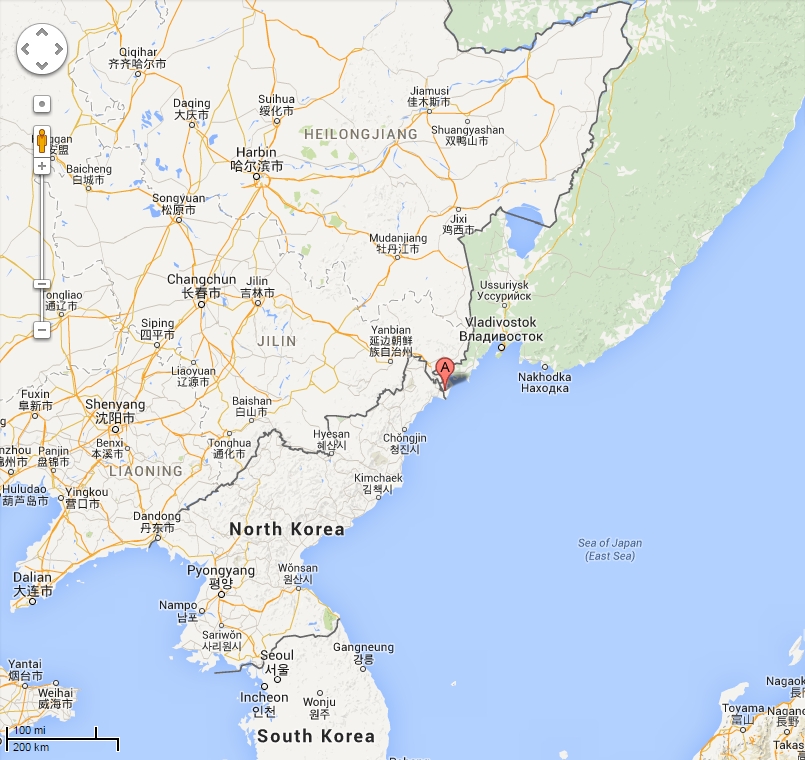
Last week the Christian Science Monitor published a story titled  How North Korea built up a cadre of code warriors prepared for cyberwar . It contained the following section: North Korea is faced with tremendous limitations. All of its Internet connections go through servers in China, for example. But it soon may find other ways to connect to the outside world. North Korean leader Kim Jong-Un is expected to meet with Russian President Vladimir Putin later this year in a bid to, among other things, begin running networks through Russia, too. This caught my attention. Years ago I bought a giant map of Asia for my office at Mandiant. I was fascinated by the small part of the world where Russia and North Korea share a border, shown below. If you zoom into that area, you see the following. China, Russia, and North Korea share a common border near the Russian town of Khasan . From that location, Russia and North Korea share a border dividing the Tumen River, approximately...

Thoughts on 2011 ONCIX Report

Image
Many of you have probably seen coverage of the 2011 ONCIX Reports to Congress: Foreign Economic and Industrial Espionage . I recommend every security professional read the latest edition (.pdf). I'd like to highlight the key findings of the 2011 version: Pervasive Threat from Adversaries and Partners Sensitive US economic information and technology are targeted by the intelligence services, private sector companies, academic and research institutions, and citizens of dozens of countries. • Chinese actors are the world’s most active and persistent perpetrators of economic espionage. US private sector firms and cybersecurity specialists have reported an onslaught of computer network intrusions that have originated in China, but the IC cannot confirm who was responsible. • Russia’s intelligence services are conducting a range of activities to collect economic information and technology from US targets. • Some US allies and partners use their broad access to US institutions to acqui...